




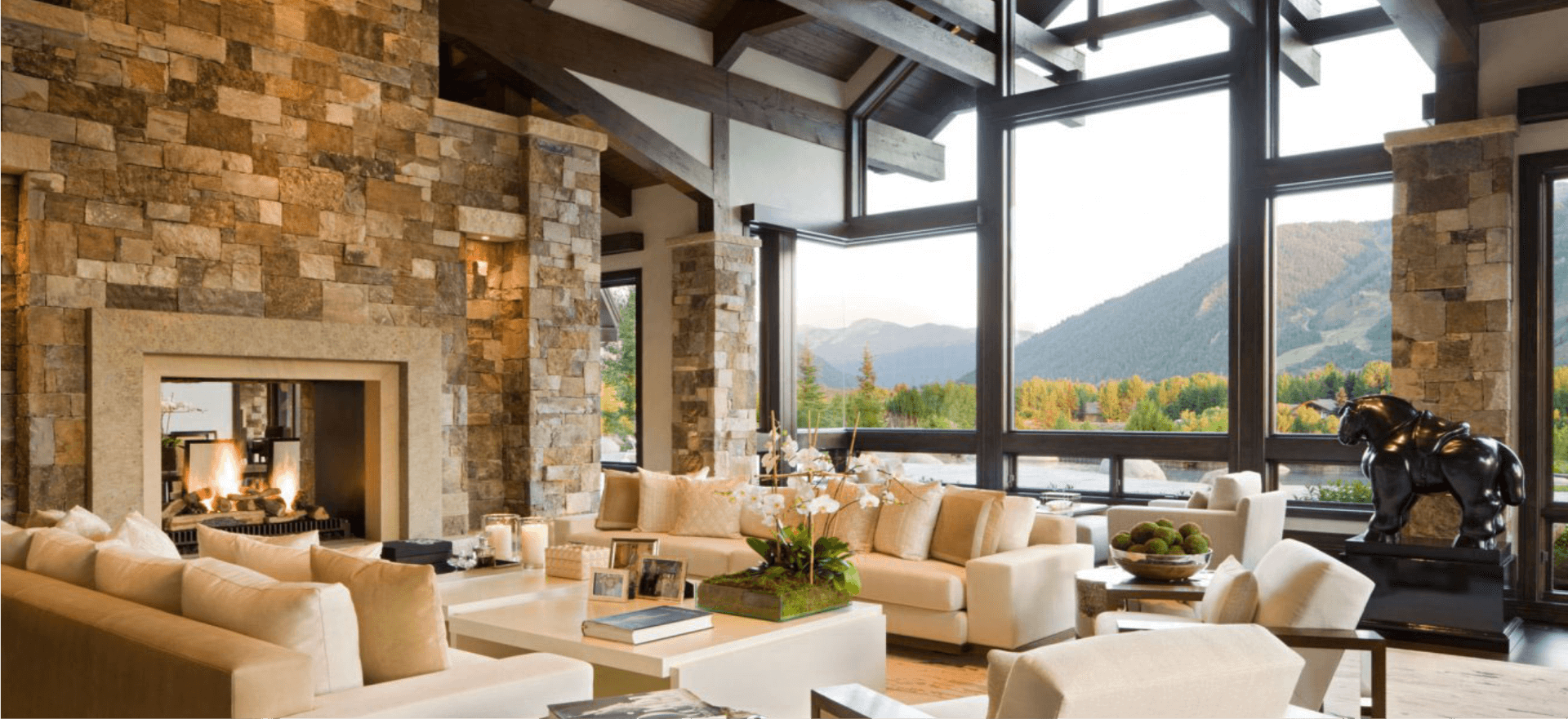

Bathroom






Kitchen
Living Room
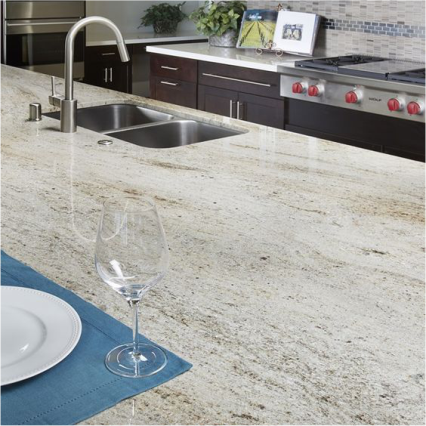
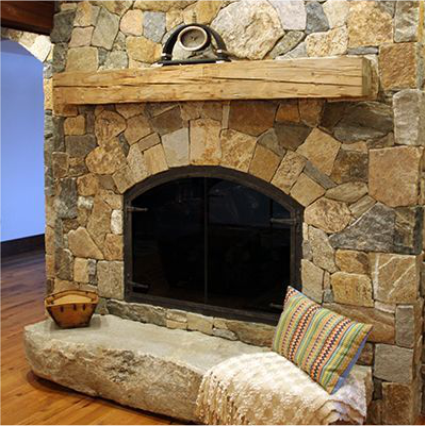
- GraniteElegenta Clasica
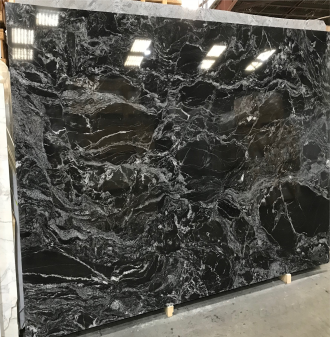
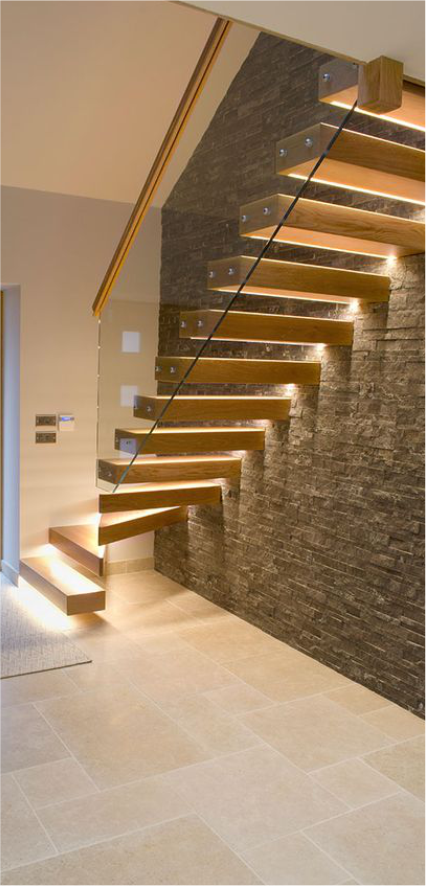
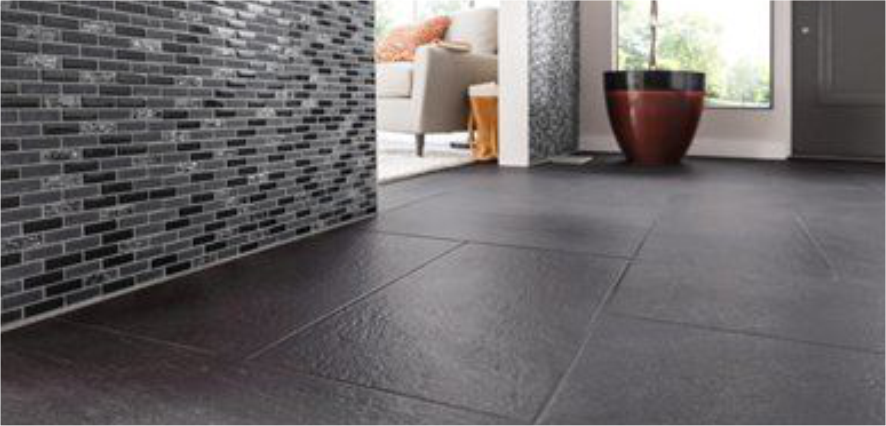
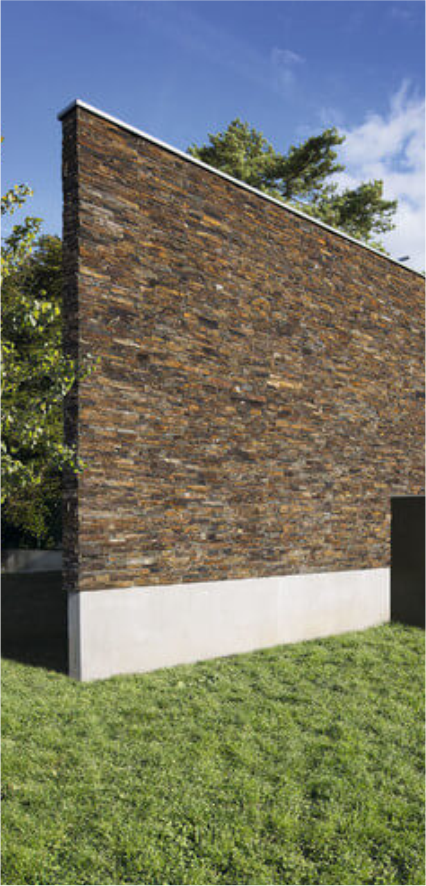
Granite: A Hard and Versatile Igneous Rock Granite is a coarse - or medium-grained igneous rock that forms when magma cools and solidifies deep within the Earth’s crust. It is composed mainly of quartz and feldspar, with minor amounts of mica, amphiboles, and other minerals. Granite has a granular texture that varies in size and can be polished to a high gloss. Granite is widely used for construction, design and industry. Types of Granite There are many types of granite, depending on the color, pattern, origin and composition of the rock. Some of the most common and popular types are: • Absolute Black granite: This is a dark black granite from India. It has a uniform color and a smooth texture. • Baltic Brown granite: This is a brown granite from Finland. It has a speckled pattern of black, brown and gray minerals. • Giallo Ornamental granite: This is a beige or yellowish granite from Brazil. It has a swirling pattern of cream, brown and gray minerals. • Santa Cecilia granite: This is a gold or yellowish granite from Brazil. It has a mottled pattern of black, gold and brown minerals. • Uba Tuba granite: This is a green or black granite from Brazil. It has a flecked pattern of green, gold and white minerals. The following table summarizes some of the characteristics and uses of these types of granite: Absolute Black - Black - India - Countertops, flooring, monuments Baltic Brown - Brown - Finland - Countertops, flooring, wall cladding Giallo - Ornamental - Beige or yellowish - Brazil - Countertops, backsplashes, fireplaces Santa Cecilia - Gold or yellowish - Brazil - Countertops, backsplashes, wall cladding Uba Tuba - Green or black - Brazil - Countertops, backsplashes, flooring Extraction Locations Granite is extracted from quarries around the world using various methods such as drilling, blasting, cutting and polishing. Some of the most famous and productive granite quarries are: • Mount Airy quarry: This is the largest open-face granite quarry in the world, located in North Carolina, USA. It produces about 60,000 tons of granite per year in various colors and grades. • Barre quarry: This is the largest deep-hole dimension granite quarry in the world, located in Vermont, USA. It produces about 25,000 tons of granite per year in various colors and grades. • Elberton quarry: This is the largest producer of granite monuments in the world, located in Georgia, USA. It produces about 250,000 monuments per year in various colors and grades. • Aswan quarry: This is the ancient quarry that supplied the granite for many Egyptian pyramids and temples. It is located in Aswan, Egypt. It still produces some granite for restoration purposes. Uses of Granite Granite has many uses in various fields such as art, architecture, design and industry. Some of the most common uses are: • Construction: Granite is one of the most durable and strong materials for building because of its hardness, resistance and versatility. It can be used for exterior or interior walls, columns, bridges, dams and other structures. Granite can also withstand weathering and erosion better than other rocks. • Design: Granite is one of the most attractive and elegant materials for design because of its aesthetic appeal, variety and functionality. It can be used for countertops, backsplashes, fireplaces, sinks, bathtubs and other features. Granite can also be combined with other materials such as wood, metal or glass to create unique effects. • Industry: Granite is one of the most useful materials for industry because of its hardness, abrasion resistance and chemical properties. It can be used for abrasives, fillers, pigments, paper making and other applications. Granite can also be processed into powder or slabs for different purposes. Conclusion Granite is a hard and versatile igneous rock that has many types, extraction locations and uses. It is one of the most valuable and widely used natural stone materials that can enhance any space with its beauty and quality.
Mai Mult - LimestoneDur, Solid, Ornamental
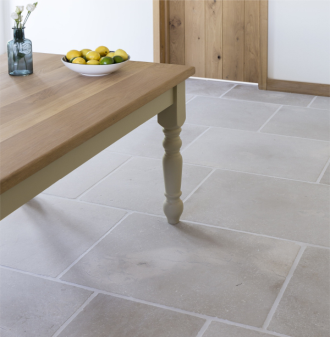
Limestone: A Sedimentary Rock with Many Uses Limestone is a sedimentary rock that forms when calcium carbonate (CaCO3) precipitates out of water or is deposited by organisms. It is composed mainly of calcite or aragonite, which are different crystal forms of CaCO3. Limestone often contains fossils that provide clues about ancient environments and life forms. Limestone has a variety of colors, patterns and textures that make it a versatile and attractive material. Types of Limestone There are many types of limestone, depending on the origin, composition and appearance of the rock. Some of the most common and popular types are: • Chalk: This is a soft and porous type of limestone that forms from the accumulation of microscopic shells of marine organisms. It has a white or gray color and a fine-grained texture. It is used for writing, drawing and making cement. • Travertine: This is a type of limestone that forms from the precipitation of calcium carbonate in hot springs or caves. It has a beige or brown color and a banded or pitted texture. It is used for flooring, wall cladding and decorative items. • Coquina: This is a type of limestone that forms from the cementation of shells and fragments of marine organisms. It has a tan or yellow color and a coarse-grained texture. It is used for building stone and landscaping. • Micrite: This is a type of limestone that forms from the accumulation of calcareous mud or ooze. It has a gray or black color and a very fine-grained texture. It is used for making lime and soil conditioner. • Sparite: This is a type of limestone that forms from the recrystallization of calcite or aragonite. It has a white or gray color and a medium- to coarse-grained texture. It is used for making marble and ornamental stone. The following table summarizes some of the characteristics and uses of these types of limestone: Type Color Texture Uses Chalk White or gray Fine-grained Writing, drawing, cement Travertine Beige or brown Banded or pitted Flooring, wall cladding, decorative items Coquina Tan or yellow Coarse-grained Building stone, landscaping Micrite Gray or black Very fine-grained Lime, soil conditioner Sparite White or gray Medium- to coarse-grained Marble, ornamental stone Extraction Locations Limestone is extracted from quarries or mines around the world using various methods such as drilling, blasting, cutting and crushing. Some of the most famous and productive limestone quarries are: • Dover quarry: This is the largest producer of chalk in the world, located in Kent, England. It produces about 1 million tons of chalk per year for various industries. • Tivoli quarry: This is the largest producer of travertine in the world, located in Tivoli, Italy. It produces about 500,000 tons of travertine per year for various applications. • Anastasia quarry: This is the largest producer of coquina in the world, located in Florida, USA. It produces about 300,000 tons of coquina per year for various purposes. • Solnhofen quarry: This is the most famous producer of micrite in the world, located in Bavaria, Germany. It produces about 100,000 tons of micrite per year for various uses. It is also known for its fossils of Archaeopteryx and other ancient creatures. • Carrara quarry: This is the most famous producer of sparite in the world, located in Tuscany, Italy. It produces about 1 million tons of sparite per year for various uses. It is also known for its marble sculptures by Michelangelo and other artists. Uses of Limestone Limestone has many uses in various fields such as art, architecture, agriculture and industry. Some of the most common uses are: • Art: Limestone is one of the most preferred materials for sculpting because of its softness, workability and availability. It can be carved into realistic or abstract shapes with fine details and smooth surfaces. Some of the most famous limestone sculptures are Venus de Milo by Praxiteles, Moai statues on Easter Island and Sphinx at Giza. • Architecture: Limestone is one of the most popular materials for building because of its beauty, durability and versatility. It can be used for exterior or interior walls, columns, domes, arches and other elements. Some of the most famous limestone buildings are Notre Dame Cathedral in Paris, Great Pyramid at Giza and White House in Washington D.C. • Agriculture: Limestone is one of the most useful materials for agriculture because of its alkalinity and nutrient content. It can be used for liming acidic soils, improving soil structure and fertility, providing calcium and magnesium for plants and animals, and neutralizing acidic waters. • Industry: Limestone is one of the most essential materials for industry because of its chemical properties and abundance. It can be used for making lime (calcium oxide) which is used for making cement (an essential component of concrete), steel (by removing impurities from iron ore), paper (by bleaching pulp), glass (by lowering melting point), soap (by saponifying fats) and many other products. Conclusion Limestone is a sedimentary rock that has many types, extraction locations and uses. It is one of the most valuable and widely used natural stone materials that can enhance any space with its beauty and quality.
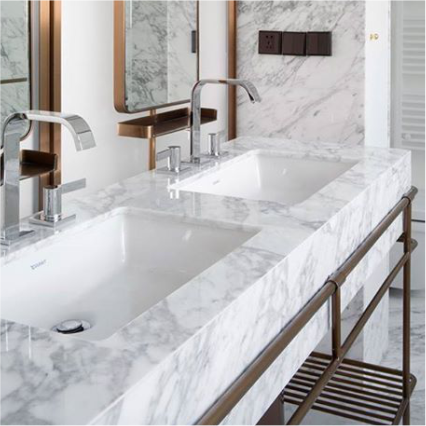
Mai Mult - MarblePur si simplu Lux
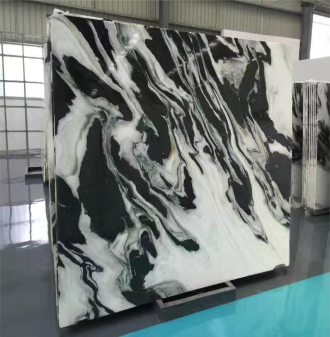
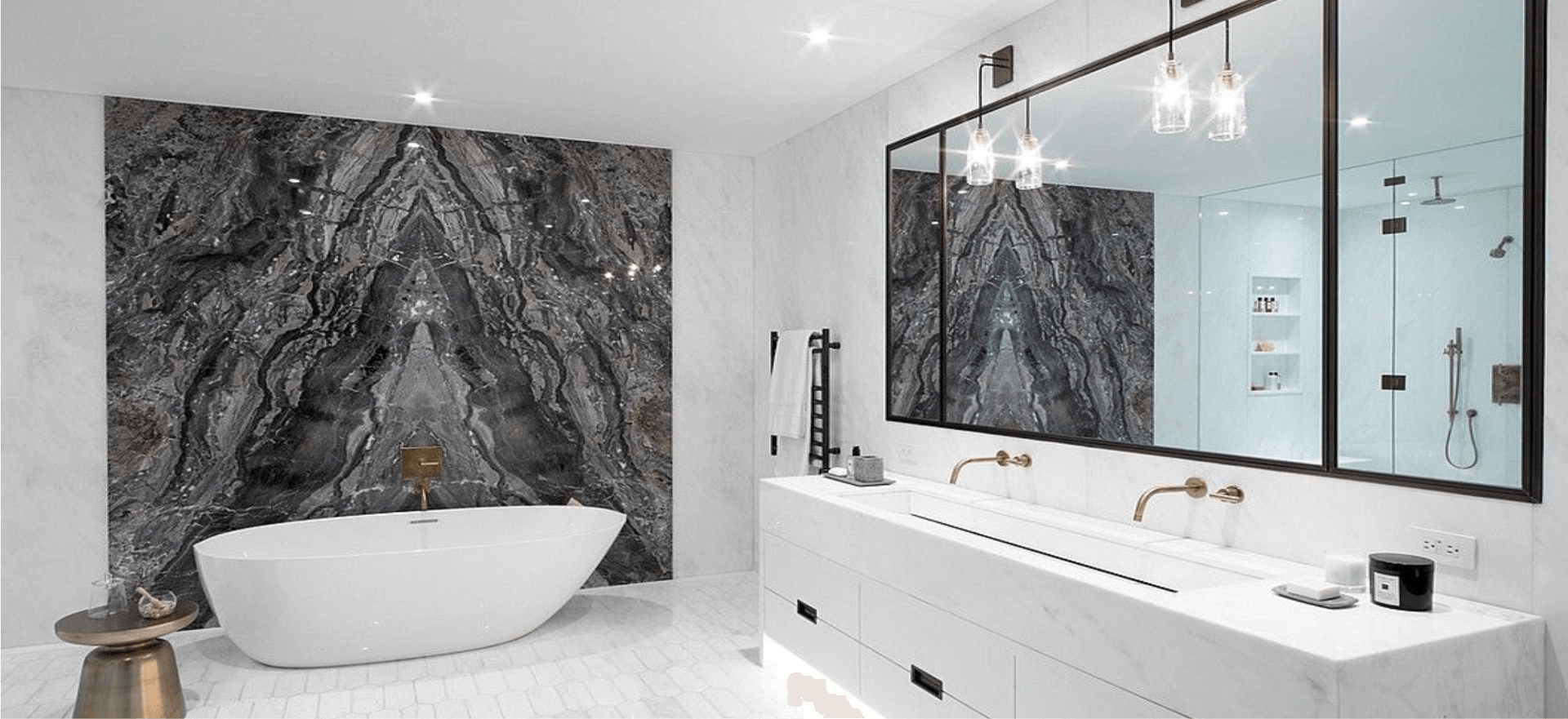
Marble: A Metamorphic Rock with Many Uses Marble is a metamorphic rock that forms when limestone or dolomite is subjected to heat, pressure and aqueous solutions. It is composed of interlocking crystals of carbonate minerals, usually calcite or dolomite. Marble has a crystalline texture that varies in thickness and can be polished to a high shine. Marble is widely used for sculpture, architecture and decorative purposes. Its name comes from ancient times, precisely from ancient Greece: the word derives from the verb “marmar“, which means “to shine“. Types of Marble There are many types of marble, depending on the color, pattern, origin and composition of the rock. Some of the most common and popular types are: • Carrara marble: This is a white or blue-gray marble from Carrara, Italy. It is one of the most famous and oldest types of marble, used by many artists such as Michelangelo and Canova. It has a fine-grained texture and linear veins. • Calacatta marble: This is a rare and expensive type of white marble from the same region as Carrara. It has a distinctive golden or gray veining on a white background. • Crema Marfil marble: This is a beige or yellowish marble from Spain. It has a uniform color and a smooth texture. • Emperador marble: This is a brown marble from Spain. It has a dark color and contrasting white veins. • Makrana marble: This is a white marble from India. It is one of the purest and most durable types of marble, used for the Taj Mahal and other monuments. • Travertine marble: This is a porous and textured type of marble that forms near hot springs. It has a beige or reddish color and often contains fossils or holes. • Onyx marble: This is a translucent type of marble that has bands of different colors. It is often used for backlighting or decorative purposes. The following table summarizes some of the characteristics and uses of these types of marble: Carrara - White or blue-gray - Italy - Sculpture, architecture, countertops Calacatta - White with golden or gray veins - Italy - Sculpture, architecture, countertops Crema Marfil - Beige or yellowish - Spain - Flooring, wall cladding, countertops Emperador - Brown with white veins - Spain - Flooring, wall cladding, countertops Makrana - White India - Sculpture, architecture, monuments Travertine - Beige or reddish - Various - Flooring, wall cladding, sinks Onyx - Various with bands - Various - Backlighting, decorative items Extraction Locations Marble is extracted from quarries around the world using various methods such as drilling, blasting, cutting and polishing. Some of the most famous and productive marble quarries are: • Carrara quarry: This is the largest and oldest marble quarry in the world, located in the Apuan Alps in Tuscany, Italy. It has been operating since the Roman times and produces about one million tons of marble per year. • Penteli quarry: This is the quarry that supplied the marble for the Parthenon and other ancient Greek buildings. It is located in the Penteli mountain range in Attica, Greece. It still produces high-quality white marble with a golden hue. • Danby quarry: This is the largest underground marble quarry in North America, located in Vermont, USA. It produces about 200,000 tons of marble per year in various colors and grades. • Yule quarry: This is the quarry that supplied the marble for the Lincoln Memorial and other landmarks in Washington D.C. It is located in Colorado, USA. It produces about 40,000 tons of white marble per year. Uses of Marble Marble has many uses in various fields such as art, architecture, design and industry. Some of the most common uses are: • Sculpture: Marble is one of the most preferred materials for sculpting because of its beauty, durability and workability. It can be carved into realistic or abstract shapes with fine details and smooth surfaces. Some of the most famous marble sculptures are David by Michelangelo, Venus de Milo by Praxiteles and The Thinker by Rodin. • Architecture: Marble is one of the most popular materials for building because of its elegance, strength and versatility. It can be used for exterior or interior walls, columns, domes, floors, stairs and other elements. Some of the most famous marble buildings are the Pantheon in Rome, the Taj Mahal in India and the White House in USA. • Design: Marble is one of the most sought-after materials for design because of its aesthetic appeal, variety and functionality. It can be used for countertops, backsplashes, fireplaces, sinks, bathtubs and other features. Marble can also be combined with other materials such as wood, metal or glass to create unique effects. • Industry: Marble is one of the most useful materials for industry because of its hardness, resistance and chemical properties. It can be used for abrasives, fillers, pigments, paper making and other applications. Marble can also be processed into powder or slabs for different purposes. Conclusion Marble is a metamorphic rock that has many types, extraction locations and uses. It is one of the most valuable and versatile natural stone materials that can enhance any space with its beauty and quality.
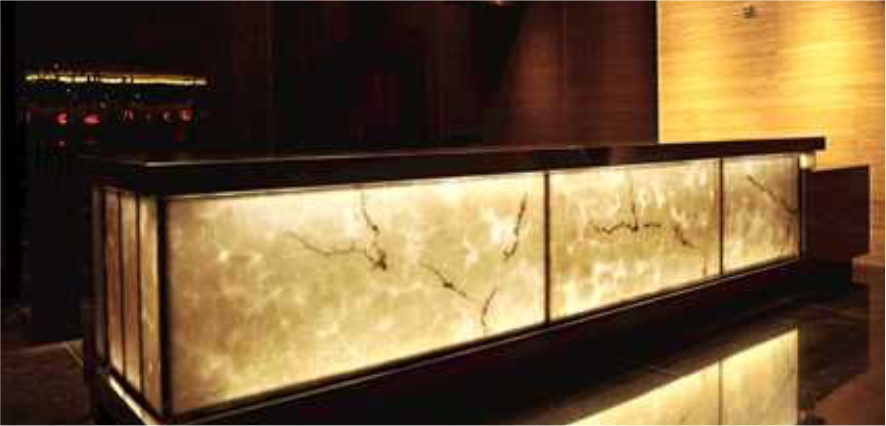
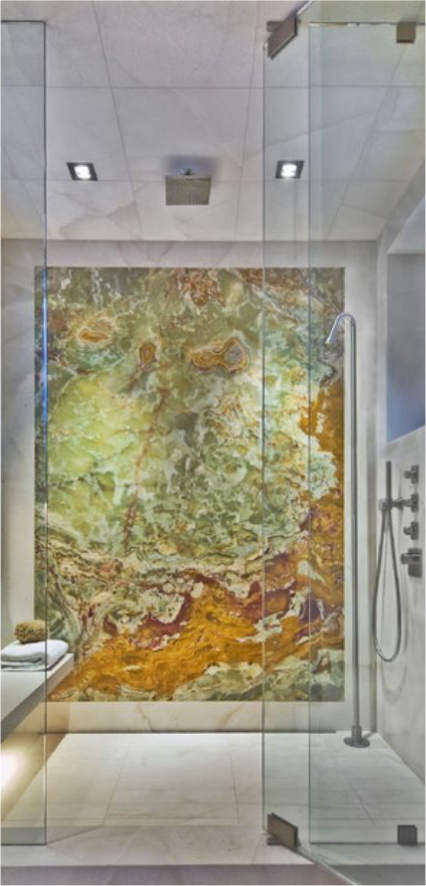
Mai Mult - OnyxSpectaculos
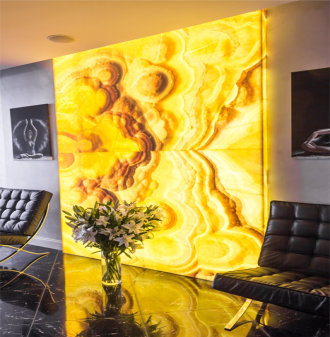
Onyx: A Banded and Colorful Gemstone Onyx is a type of chalcedony, a silicate mineral that forms when quartz crystals grow in parallel bands. It is composed mainly of silica (SiO2) and can have various colors depending on the impurities and dye treatments. Onyx often contains layers of black and white, but it can also have bands of other colors such as red, green or yellow. Onyx is a popular and attractive material for jewelry, carvings and decorative items. Types of Onyx There are many types of onyx, depending on the color, pattern, origin and treatment of the stone. Some of the most common and popular types are: Black onyx: This is a solid black type of onyx that is often dyed or treated to enhance its color. It is one of the most traditional and classic types of onyx, used for various purposes such as rings, earrings, bracelets and necklaces. It is also a powerful and protective stone that can help overcome fears and negative thoughts. Sardonyx: This is a type of onyx that has bands of red or brown sard (a variety of chalcedony) and white or black onyx. It is a natural and ancient type of onyx that was used by the Romans for seals and cameos. It is also a stone of strength and courage that can boost confidence and happiness. Green onyx: This is a type of onyx that has bands or shades of green color. It can be either natural or dyed, depending on the source and quality of the stone. It is a beautiful and soothing type of onyx that can promote healing, growth and harmony. Onyx agate: This is a type of onyx that has bands or layers of agate (another variety of chalcedony) and onyx. It can have various colors and patterns depending on the type of agate. It is a unique and diverse type of onyx that can enhance creativity, balance and intuition. The following table summarizes some of the characteristics and uses of these types of onyx: Black onyx - Black - Various - Jewelry, carvings, protection Sardonyx - Red or brown and white or black - India, Brazil, Uruguay - Jewelry, carvings, seals, cameos, strength, courage Green onyx - Green - India, Pakistan, Brazil - Jewelry, carvings, healing, growth, harmony Onyx agate - Various - Various - Jewelry, carvings, creativity, balance, intuition Extraction Locations Onyx is extracted from mines or quarries around the world using various methods such as drilling, blasting, cutting and polishing. Some of the most famous and productive onyx mines or quarries are: - Honey Onyx quarry: This is the largest producer of honey-colored onyx in the world, located in Iran. It produces about 50,000 tons of onyx per year for various applications. - San Luis Potosi mine: This is the largest producer of green onyx in the world, located in Mexico. It produces about 20,000 tons of onyx per year for various purposes. - Bhera mine: This is the largest producer of sardonyx in the world, located in Pakistan. It produces about 10,000 tons of onyx per year for various uses. - Madagascar mine: This is the largest producer of rainbow-colored onyx agate in the world, located in Madagascar. It produces about 5,000 tons of onyx per year for various purposes. Uses of Onyx Onyx has many uses in various fields such as art, design, spirituality and industry. Some of the most common uses are: - Art: Onyx is one of the most preferred materials for art because of its beauty, variety and workability. It can be carved into realistic or abstract shapes with fine details and smooth surfaces. Some of the most famous onyx artworks are The Three Graces by Antonio Canova, The Bust of Queen Nefertiti by Thutmose and The Chess Set by Fabergé. - Design: Onyx is one of the most attractive and elegant materials for design because of its aesthetic appeal, diversity and functionality. It can be used for countertops, backsplashes, fireplaces, sinks, bathtubs and other features. Onyx can also be combined with other materials such as wood, metal or glass to create unique effects. - Spirituality: Onyx is one of the most powerful and protective stones for spirituality because of its properties and symbolism. It can help overcome fears and negative thoughts, enhance strength and courage, promote healing and harmony, stimulate creativity and intuition and attract good luck and fortune. - Industry: Onyx is one of the most useful materials for industry because of its hardness, abrasion resistance and chemical properties. It can be used for abrasives, fillers, pigments, paper making and other applications. Onyx can also be processed into powder or slabs for different purposes. Conclusion Onyx is a banded and colorful gemstone that has many types extraction locations and uses. It is one of the most valuable and widely used natural stone materials that can enhance any space with its beauty and quality.
Mai Mult