Natural stone floors
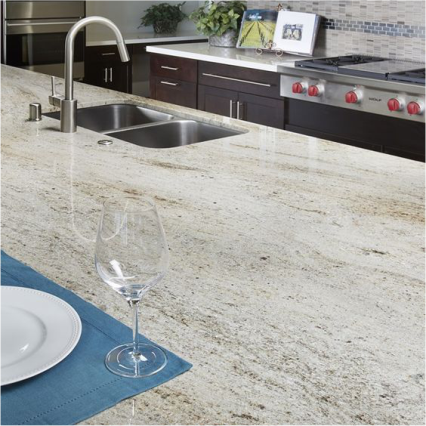
Natural stone flooring used in kitchens will provide both style and functionality. Durable, long-lasting, granite is a popular choice that’s often used for countertops too while limestone will give a warm rustic finish and it will not wear down easily either. Ideal if your kitchen space gets a lot of footfall.
Stone floors are widely considered to add value to a property, but choose wisely as once laid you won’t want to change them for years. The most durable option is granite while many would say that marble is the most popular (albeit expensive) option.
Here are 5 of our top picks for natural stone floors:
1. Granite
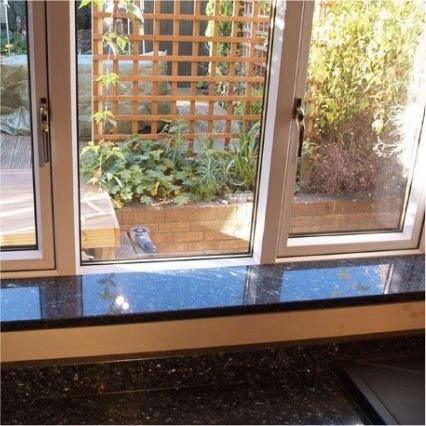
Available in a wide spectrum of colors, often with mineral specks or subtle veining granite is a flexible choice that can be adapted to most house styles. And as it’s very durable it will work in high traffic areas like a hallway also. It comes in different finishes, but it is the polished form that fully reveals the colors and patterns. Colous range from blue and purple shades through to grey and olive green, and they often include rusty red markings.
2. Slate
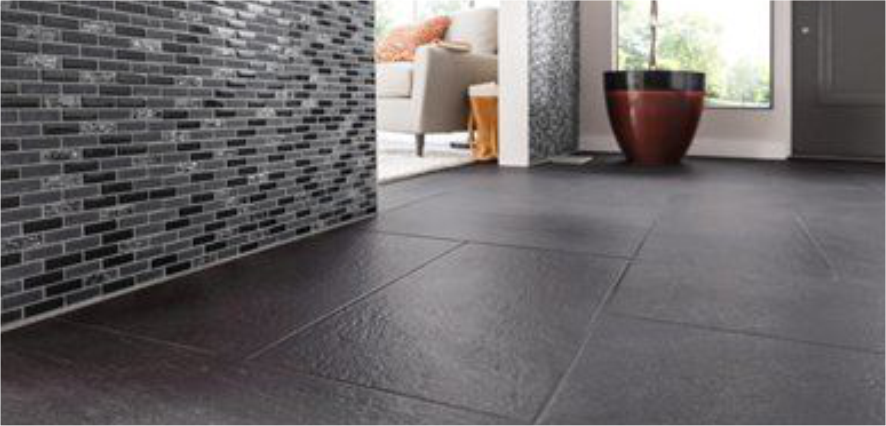
Easily split into various thicknesses and available with a textured finish, slate works well in wet areas like bathrooms and kitchens (depending on who’s cooking!).
3. Marble
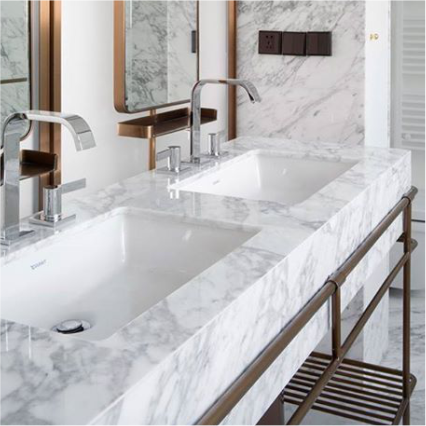
Starting its life as limestone, under certain conditions its components crystallize to form the veins typical of marble. In its purest form, it can be found in a wide range of other shades, from various greys through to green and black.
4. Limestone
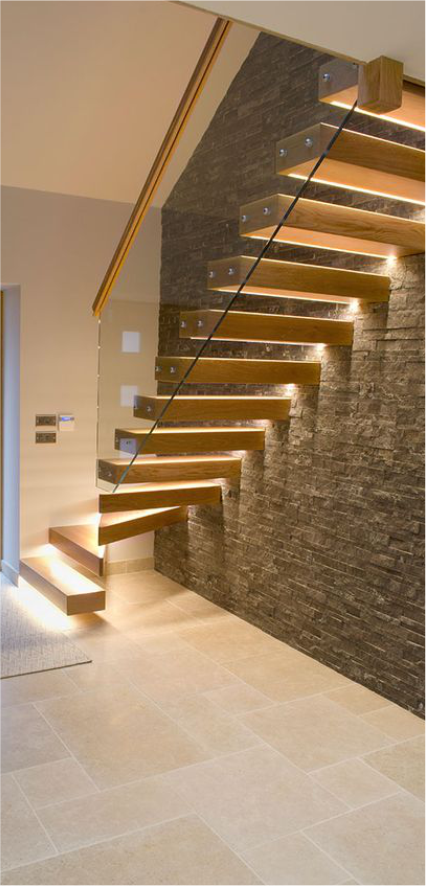
Occurring in many tones, from nearly white to the more common warm honey, as well as rarer greys and dark browns Limestone is often a rustic. Textures range from even-grained stones through to smoother types with fossils and coarser, open-textured varieties. Some can be polished to resemble marble. It can scratch easily as it’s quite soft so be careful in kitchens. However, as it’s resistant to mold and bacteria, it works really well as a bathroom flooring option.
5. Travertine
Travertine has a porous surface with small holes that give it a sponge-like appearance; higher grade, premium travertine has fewer pits with a more vibrant color. It can be sourced ready-filled from some suppliers; otherwise it will need to be filled in situ. When installed correctly, travertine is one of the most durable stones for bathrooms and showers.
How to maintain natural stone floor tiles
Natural floor tiles will need to be sealed to prevent damage, staining, and to avoid repairing stone floors yourself. Your supplier or installer will be able to recommend the most appropriate products to use and should provide you with advice on looking after your chosen material. Once you have the correct product, cleaning stone floor tiles is a simple job.
Using cleaning products that aren’t recommended can leave behind a film, which can attract dirt and may need chemical removal at a later date. Regular sweeping will keep loose dirt away and, if needed, stone can be professionally cleaned and restored.